XTREME LIVING LAB
Research
CASE STUDY
Music Therapy
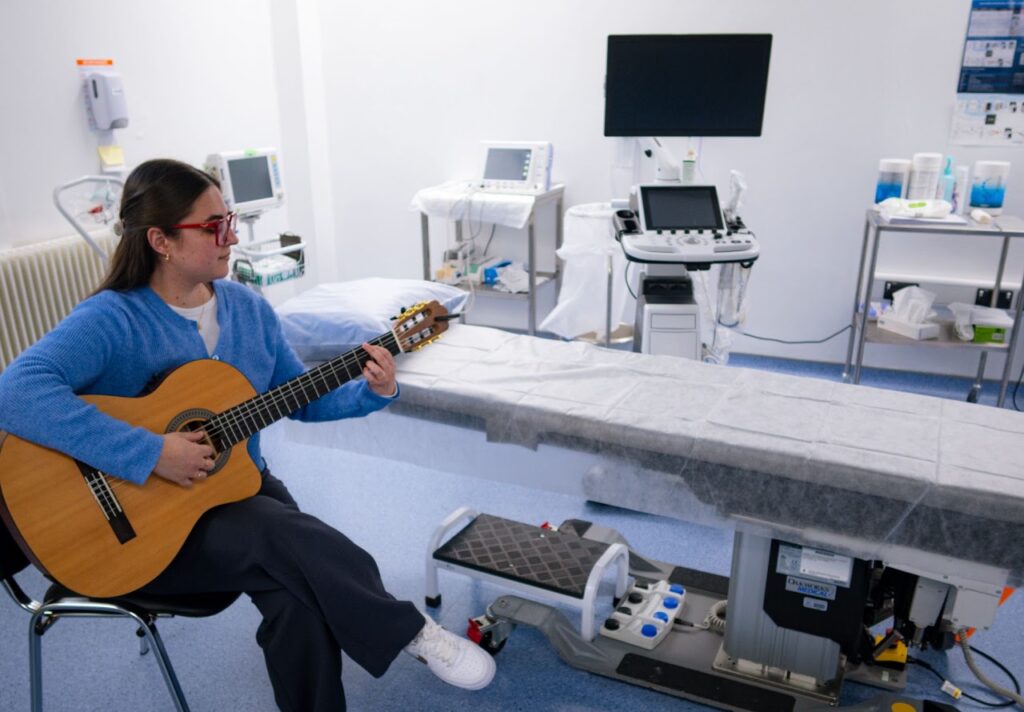
The XTREME project can be considered as an innovative, state-of-the-art approach to delivering music therapy experiences using mixed reality. It has the potential to:
- Create immersive and engaging environments for music therapy
- Enhance emotional connection and communication through music
- Support shared experiences between people with dementia, caregivers, and loved ones
- Open new possibilities for accessibility and personalization
However, we should pay attention to:
- Simplicity and usability of the technology
- Cognitive load and potential confusion in immersive environments
- Ethical considerations and well-being of participants
- Personalization of experiences based on individual needs
- Reliability and technical stability during sessions
Míriam Cano Esteller
Míriam Cano Esteller (BA,MA) is an IACAT registered music therapist currently engaged in doctoral research at the University of Limerick, Ireland where she also holds a research assistant post. Her research focuses on the use of arts for health and well-being, with a particular emphasis on participatory and inclusive frameworks.
The saved page did not include the MP4 itself, so this temporarily points to the existing live media URL. See README-DREAMWEAVER.txt for how to make it fully local before removing WordPress.
What music therapy is
Music therapy is an evidence-based profession where the planned and creative use of music-based interventions, delivered by an accredited music therapist, supports people to improve, restore, or maintain their health, functioning, and well-being. It uses music as a therapeutic tool to address emotional, social, cognitive, and physical needs.
How music therapy has been used to support people with dementia
Music therapy has been widely used in dementia care because musical memory tends to be preserved longer, even as other cognitive functions decline. This allows people living with dementia to still respond to music.
It supports emotional expression, enhances mood, promotes social interaction, and improves communication. Techniques such as singing, listening, improvisation, and movement help engage individuals, can reduce symptoms like depression or apathy, and improve overall quality of life.
CASE STUDY
Community Music
What community music practice is
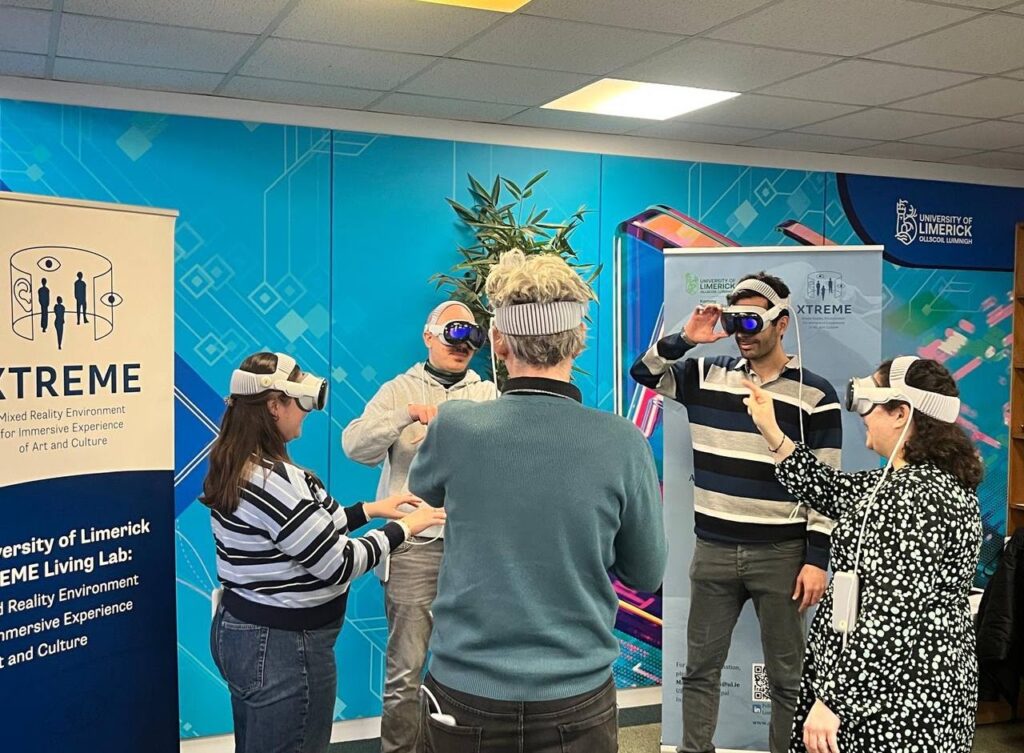
Community music is a practice that resists one fixed definition, as it is shaped by the cultural and demographic context in which it takes place. It is a music-making and music-sharing approach that is open, welcoming, flexible, and inclusive.
What makes music important in this context
Music is important because it brings people together and supports connection, participation, and shared experience. It also encourages us to explore additional tools, such as VR, that may support inclusion for those who are unable to be physically present.
How far XTREME could support an experience close to real community music
Technology will never fully replace the real feeling of being together. However, the XTREME project can help us uncover more inclusive ways for people to participate in community music, especially those who cannot join physically.
Hala Jaber
Hala Jaber is a Palestinian community musician and a classical flute player. She obtained her Ph.D. in Arts Practice (Music) at the Irish World Academy of Music and Dance, UL (2020). Her PhD research examined community-music approaches and best practices when working in the context of post-conflict migration. Hala’s research interests revolve around understanding how various community music approaches prompt integration, collaboration, and participation.
What makes community music feel real and meaningful
Community music feels real and meaningful when people can share music in a safe, welcoming environment and connect with others through participation and social interaction.
What we should pay attention to
We should pay attention to reducing the technical burden so people can focus on enjoying the music, the connection, and the shared experience. The experience must remain socially and emotionally meaningful.
MIXED REALITY OPERA
Morgonstjärnan – The Morning Star
Finnish National Opera and Ballet
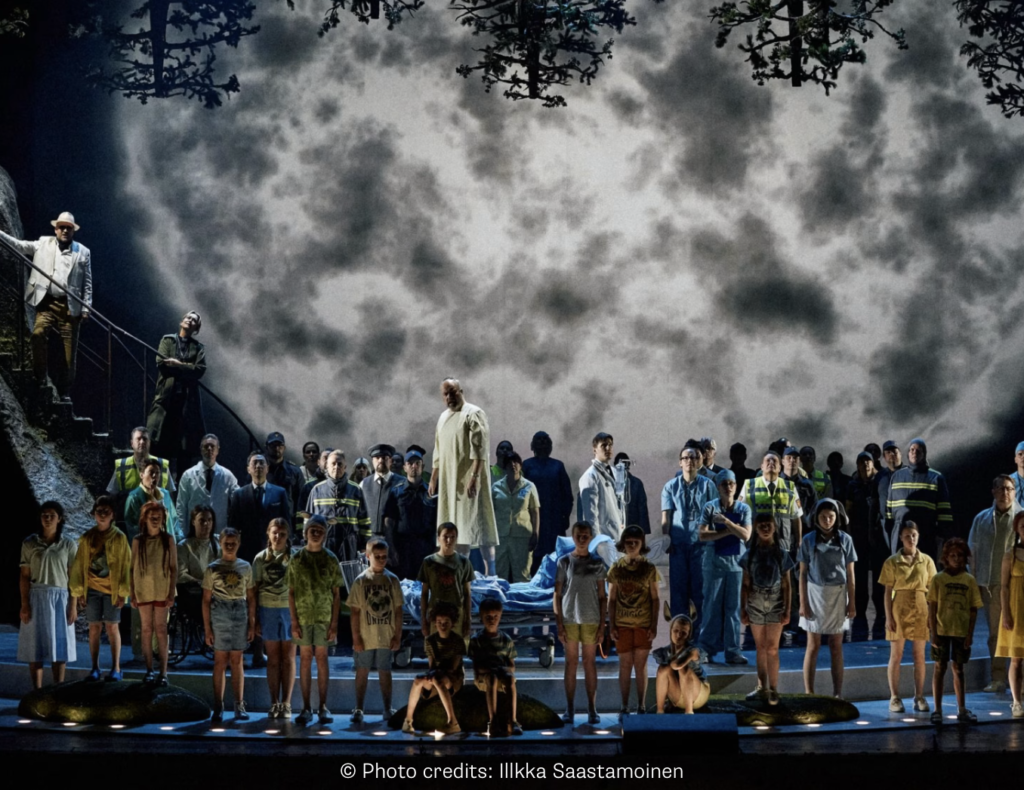
Mixed reality opera experience. The Morning Star is a new opera commissioned by the Finnish National Opera and Ballet, based on the novel by internationally acclaimed Norwegian author Karl Ove Knausgård. The music was composed by Sebastian Fagerlund, with libretto by Gunilla Hemming and stage direction by Thomas de Mallet Burgess.
The production explores how immersive technologies can extend and reframe contemporary opera for new audiences, enabling people to experience the depth of live opera from any location via mixed reality. Each scene was chosen to work as a self-contained moment: a few performers, a defined space, a concentrated emotional arc, allowing the audience to step into the opera world at close range instead of observe it from a distance.
Scene 4 — Jenny Carlstedt and Tommi Kekarainen
Scene 6 — Helena Juntunen and Janne Sihvo
Scene 24 — Johan Reuter, Maria Lenart and Jere Hölttä
Wearing an Apple Vision Pro headset, the audience experiences the singers and the staged world of the opera reconstructed in three dimensions around them. Spatial audio places voices and orchestral sound in the room. The result is an encounter with opera that is both closer and stranger than a seat in the stalls — the performers present, the space transformed.