
The Concert Hall Fits in a Headset. Who Gets a Seat?
This autumn, the XTREME Living Lab at the University of Limerick took its Mixed Reality recording of Vivaldi’s Four Seasons out of the lab and into five public venues across Limerick. Through this series of open public events, around 80 people stepped inside the orchestra.
Vivaldi’s Four Seasons is music almost everyone recognises. Very few people will ever hear it from inside the orchestra, with the violins at their shoulder and the cellos behind them. There is a gap between the culture we know and the culture we can actually reach. Closing that gap is the purpose of the XTREME Living Lab at the University of Limerick.
The experience at the centre of the series is the Irish Chamber Orchestra performing The Four Seasons with violinist Henning Kraggerud. The lab recorded the performance in spatial video and spatial audio, and visitors watch it on an Apple Vision Pro. In the headset, the musicians are all around you.
Culture Night · Friday 18 September · Fab Lab Limerick
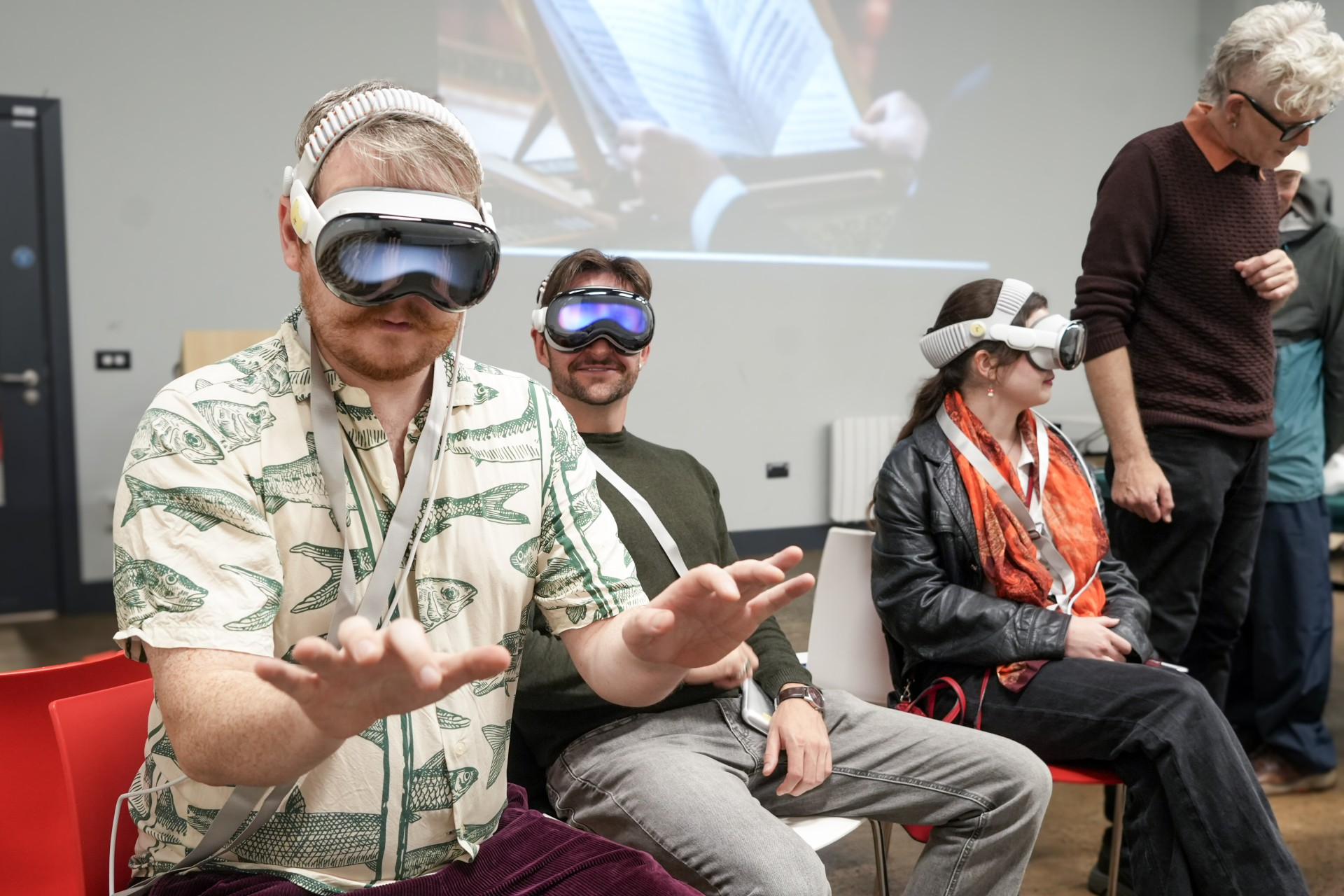
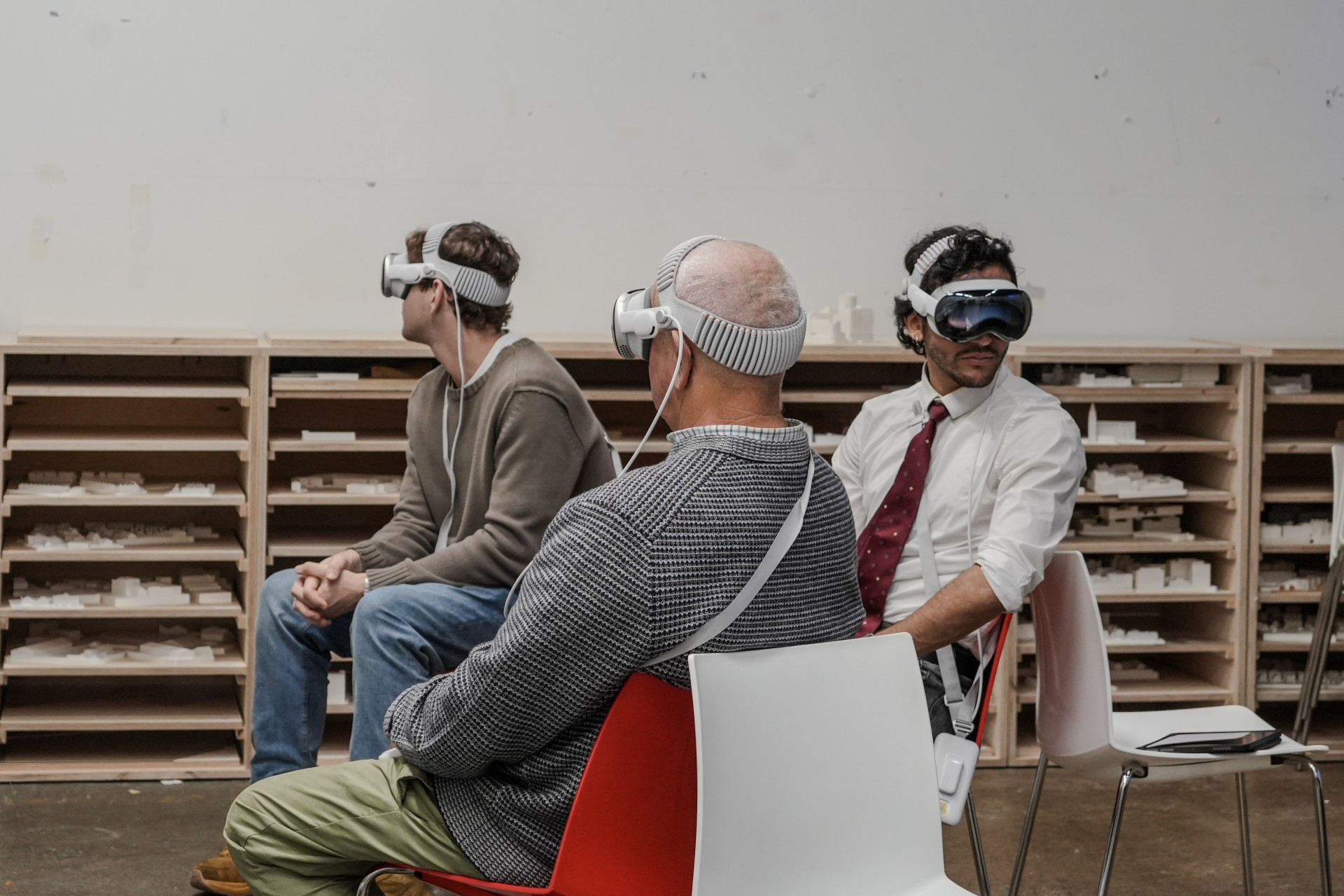
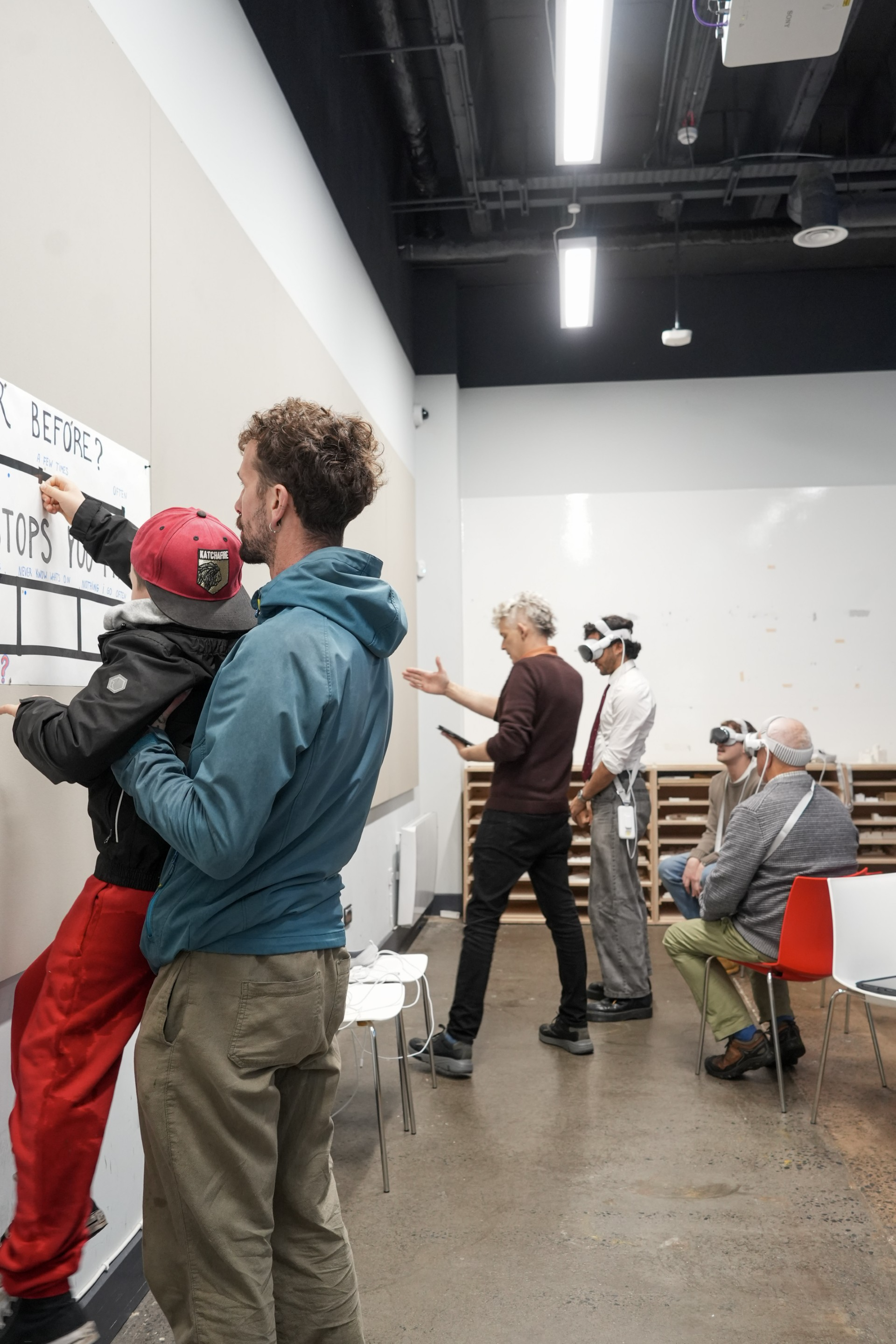
On a Friday evening in September, Culture Night visitors sat down one by one at Fab Lab Limerick, put on a headset and found themselves inside the Irish Chamber Orchestra.
This was the first time the experience had been shown to the public outside the lab. Visitors also completed an ice-breaker poster before or after their turn, so every visit gave them an experience and also contributed to the lab’s research.
Living Lab Open Day · Thursday 15 October · Glucksman Library, UL
For someone who has never worn a headset, the first minute decides everything. If that minute is confusing or awkward, the music never gets a chance.
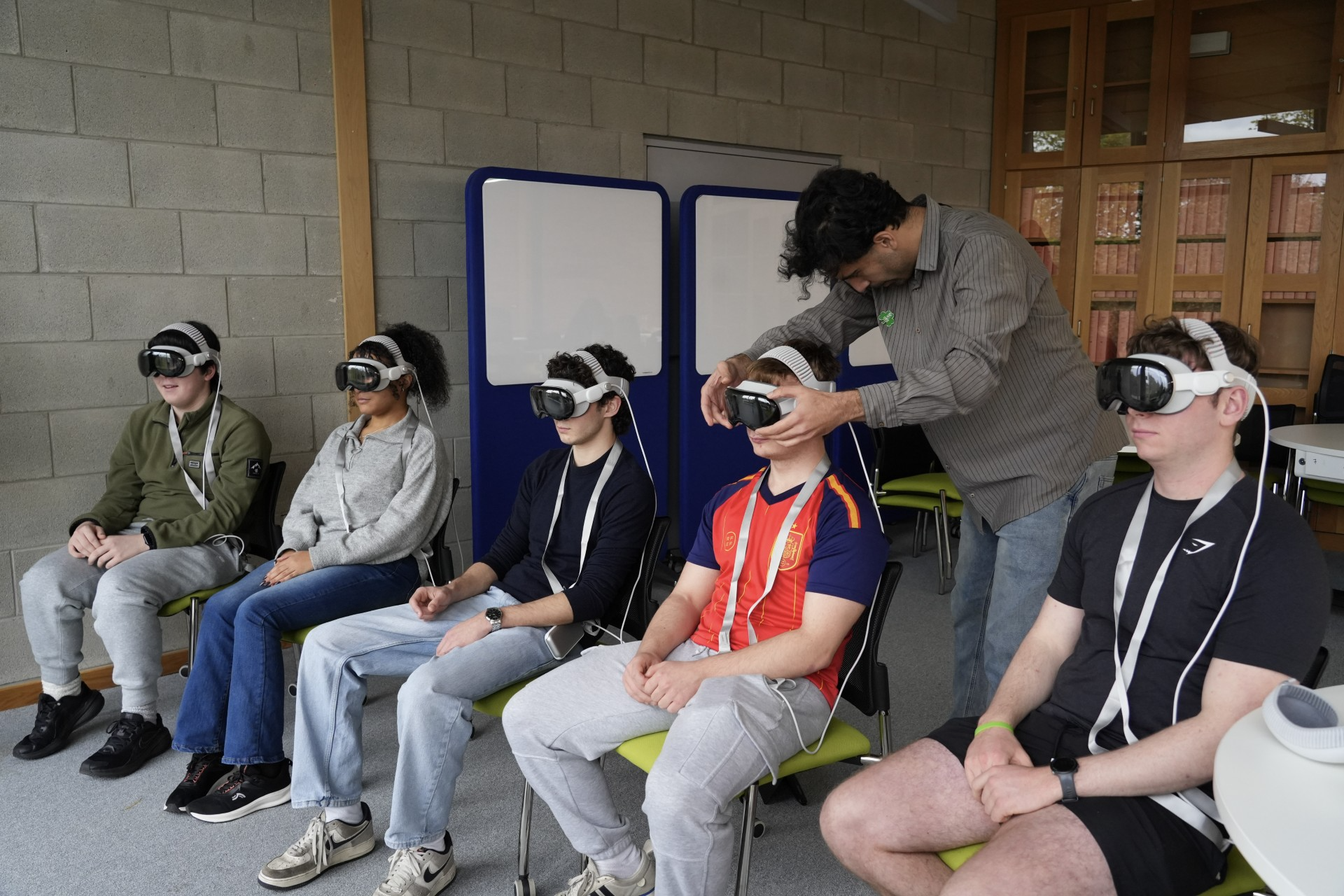
When we brought the experience onto campus, to the ground floor of the Glucksman Library, we tested a new solution: an onboarding guide built on an AI-powered digital twin of a member of our team. The twin welcomed each visitor and explained what to expect before they put on the headset, so everyone got the same clear introduction, even at the busiest moments.
While one group of four or five people was inside the orchestra, the twin was already preparing the next group, so our team could fit headsets faster and the handovers ran more smoothly. We used the same model at every session that followed.
Living Lab Open Day · Thursday 22 October · Glucksman Library, UL
It is easy to assume that people in their twenties have already tried every kind of screen. At our second library open day, most visitors were young adults, and for many of them this was their first time in virtual reality.
They did not just try it and leave. They stayed on to ask how the performance was recorded and what the research was trying to find out. The lesson was clear: access is not only about age or ability, it is about opportunity. Held at the heart of a university of more than 19,000 students, this free drop-in session removed the usual barriers of cost, equipment and know-how.
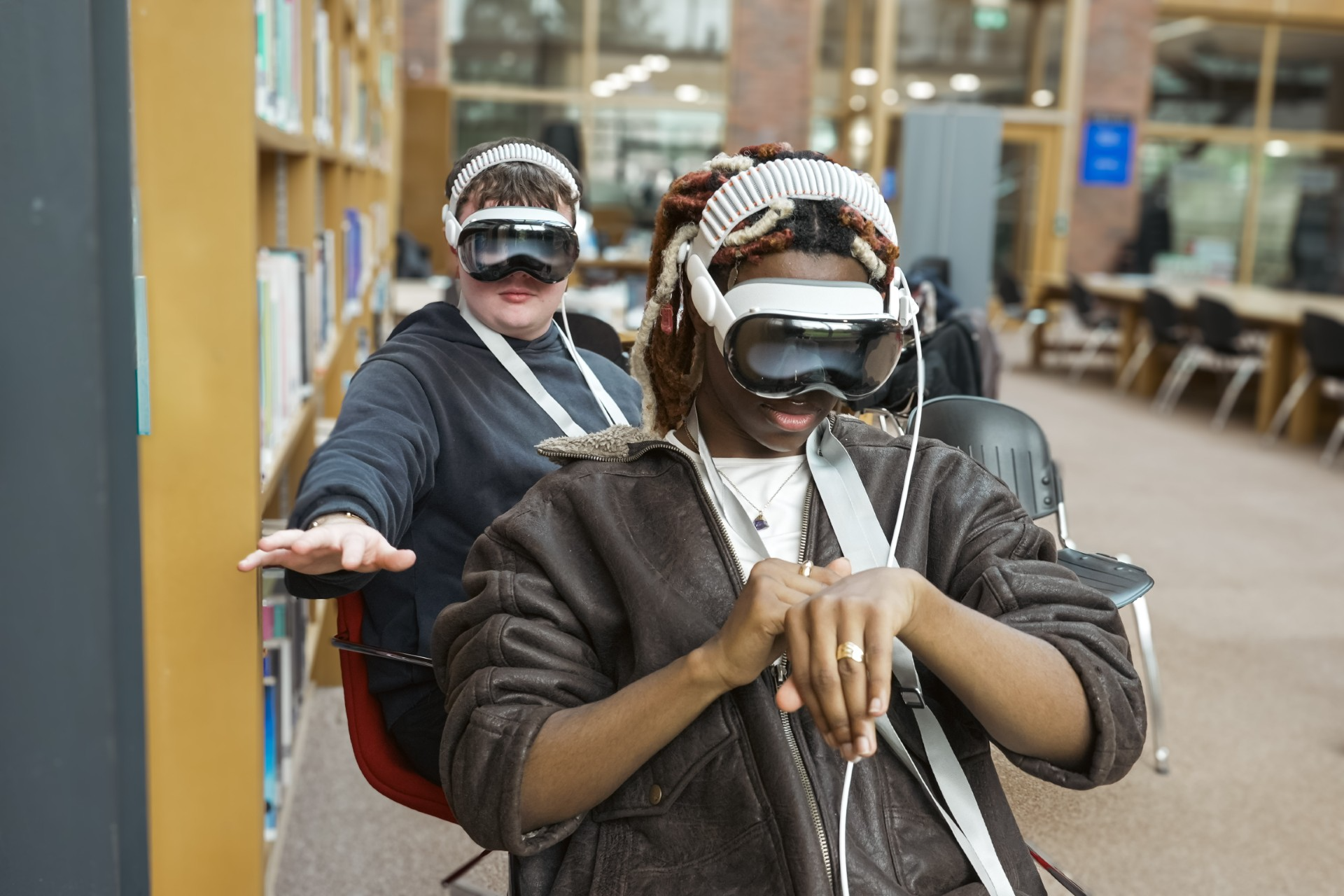
Mixed Reality Session for Young Adults · Monday 2 November · Limerick TUS
Next, we brought the orchestra into a computer lab at TUS: concrete walls, rows of monitors, and a group of students training to build the immersive experiences of the future. For most of them, this was their first time using an Apple Vision Pro.
Because the experience matched their personal and professional interests, the students did more than watch. They followed their fellow participants’ sessions on our iPads, asked questions and reflected on the experience with a professional eye. Sessions like this give future creators direct experience of the technology, and their reactions help us build a more responsible, inclusive and people-centred approach to immersive culture.
Final Open Day · Tuesday 3 November · CoLab, Limerick
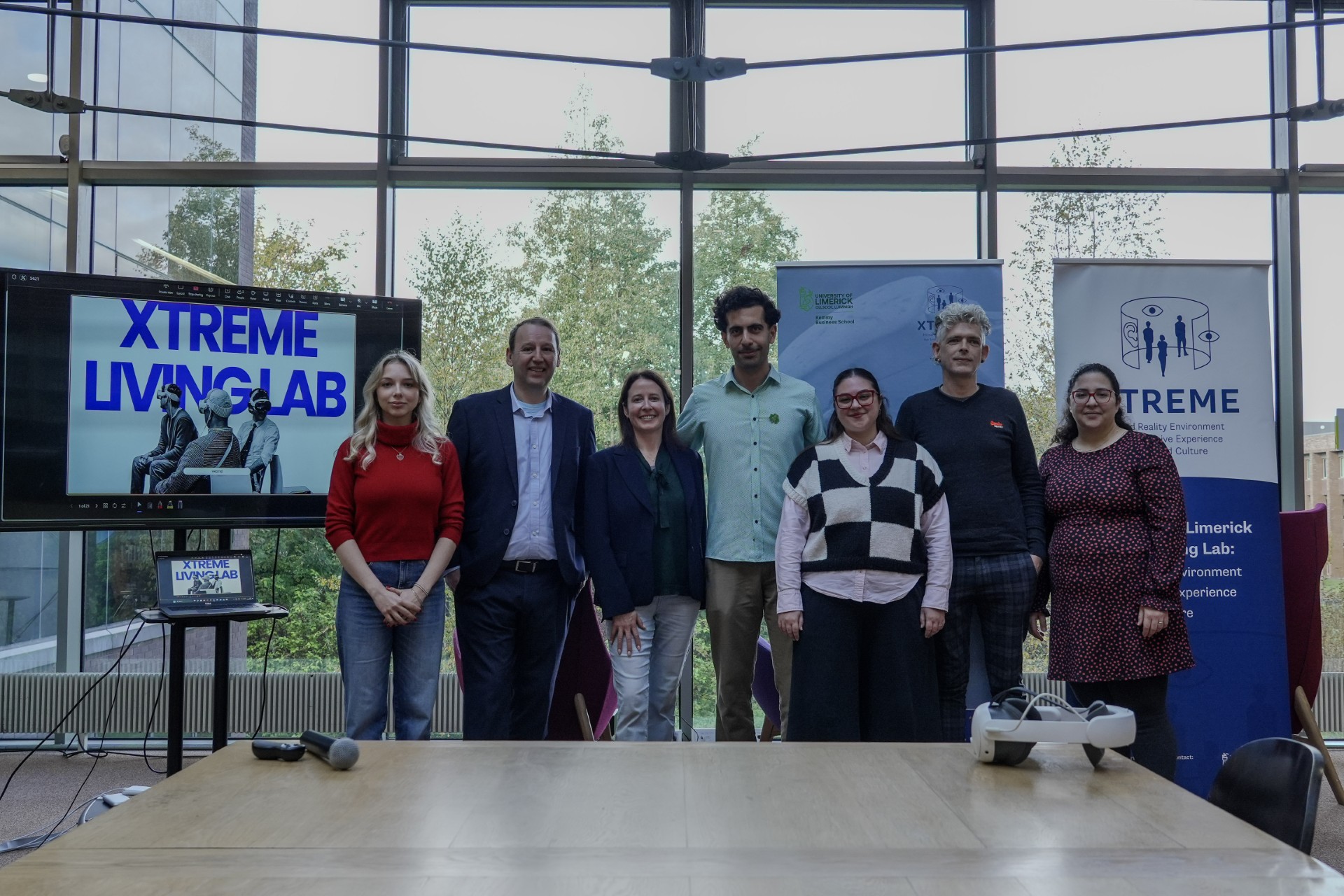
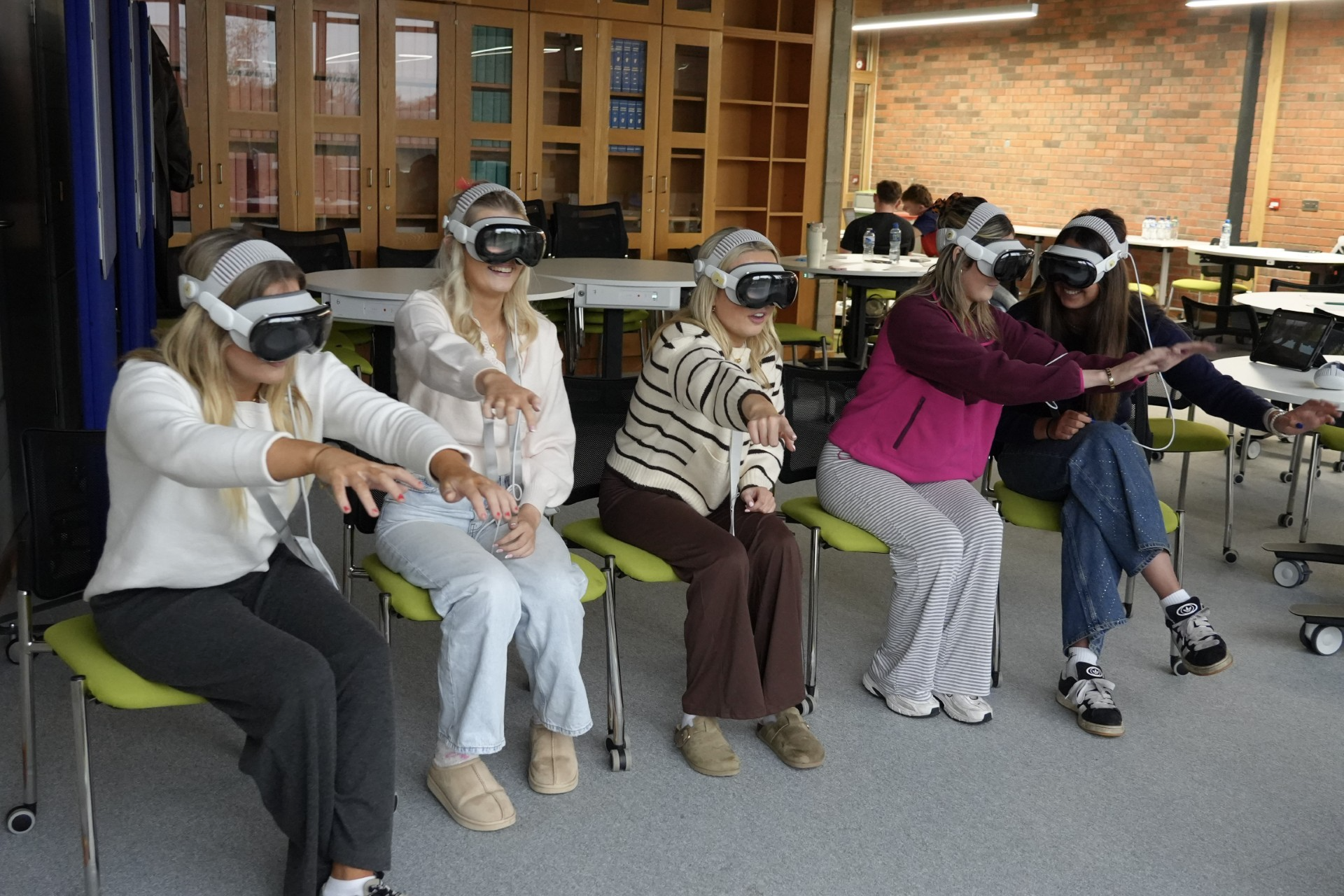
A common worry about headsets is that they cut people off from each other. For the final event, we set out to show the opposite. Visitors went in groups of six and experienced the concert at the same moment, together in their own small social bubble.
We served coffee, tea and biscuits so the wait became part of the event, with people talking about what they had just seen and heard. The series ended the way a good concert should: together.
Why this matters
The Vivaldi experience is more than a demonstration. The lab has already used it in research on community music and with people living with dementia, for whom a trip to a concert hall may no longer be possible. Every public session adds to the evidence that immersive technology can bring live culture to people who would otherwise miss out.
Across the series, around 80 people spent time inside the orchestra and talking with our researchers. Each of them left with an experience, and each of them left something behind for the research: a reaction, a question, a moment of surprise.